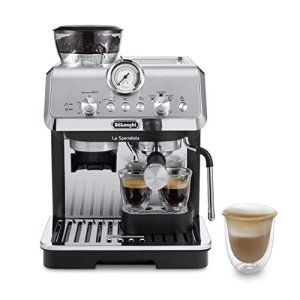
The Ultimate Guide to Cappuccino Machines: Brewing the Perfect Cup
Cappuccinos are a beloved coffee drink that integrates the rich flavors of espresso with steamed milk and milk foam. For read the full info here of, nothing tastes better than a homemade cappuccino crafted with precision. However, reproducing the ability of a barista at home needs the right devices. This is where cappuccino machines enter into play. This short article explores the numerous kinds of cappuccino machines, how they work, and tips for choosing the very best one for your requirements.
What is a Cappuccino Machine?
A cappuccino machine is a specialized developing device designed to make cappuccinos and other espresso-based beverages. These machines usually feature an integrated espresso maker, a milk frother, and various controls for changing temperature and pressure. Cappuccino machines can be manual, semi-automatic, or totally automatic, offering various levels of user control depending upon the intricacy of the machine.
Kinds Of Cappuccino Machines
1. Manual Espresso Machines
- Description: These machines need users to operate most functions manually, consisting of grinding coffee beans, tamping the grounds, pulling the espresso shot, and frothing the milk.
- Pros:
- Offers complete control over the brewing process.
- Can produce high-quality, café-like espresso.
- Cons:
- Steeper learning curve.
- Needs more time and effort.
2. Semi-Automatic Espresso Machines
- Description: Semi-automatic machines automate some processes, such as water pressure. Users still need to grind coffee and froth milk by hand.
- Pros:
- Balanced control and benefit.
- Enables space for experimentation.
- Cons:
- Still needs practical skills.
- Can be complex for novices.
3. Totally Automatic Espresso Machines
- Description: These machines automate the entire developing procedure, from grinding to frothing. Users merely pick the wanted drink.
- Pros:
- Extremely practical and easy to use.
- Consistent outcomes with little effort.
- Cons:
- More expensive.
- Minimal control over the developing procedure.
4. Super Automatic Espresso Machines
- Description: Similar to totally automatic machines, but these designs include functions like an integrated milk frother and grinder. They prepare drinks with simply the touch of a button.
- Pros:
- Ultimate convenience; makes different drinks quickly.
- Integrated cleaning and upkeep functions.
- Cons:
- High preliminary cost.
- Less hands-on experience with coffee making.
Key Features to Consider
When selecting a cappuccino machine, a number of functions can substantially influence performance and user experience. Here are some vital elements to assess:
1. Build Quality
- Materials used (stainless-steel, plastic)
- Durability and longevity
2. Capability
- Water reservoir size
- Bean hopper capacity
3. Frothing Capability
- Type of frothing wand (manual, automatic)
- Steam pressure and temperature level control
4. Ease of Use
- Instinctive controls
- Cleaning and maintenance requirements
5. Cost
- Range from budget to high-end models
- Think about warranties and client assistance options
6. Brand Reputation
- User reviews and professional viewpoints
- Accessibility of replacement parts
The Brewing Process
To brew the perfect cappuccino in the house, follow this procedure, no matter the machine type:
- Prepare the Espresso: Use freshly ground coffee beans and pull a double shot (approximately 2 ounces) of espresso.
- Froth the Milk: Steam fresh milk to a temperature level about 150 ° F( 65 ° C)using the steam wand or automatic frother.
- Integrate: Pour the steamed milk over the espresso, followed by a layer of milk foam (equal parts espresso and steamed milk, with about 1 cm of foam).
For a visual representation, here's an easy table comparing the characteristics of the cappuccino machine types:
| Machine Type | Control Level | Reduce of Use | Price Range | Suitable For |
|---|---|---|---|---|
| Manual Espresso Machine | High | Challenging | Low to Medium | Coffee lovers, purists |
| Semi-Automatic Machine | Medium | Moderate | Medium | Home baristas, enthusiasts |
| Totally Automatic Machine | Low | Easy | Medium to High | Casual drinkers |
| Super Automatic Machine | Very Low | Extremely Easy | High | Hectic professionals |
Regularly Asked Questions (FAQs)
What is the best milk to use for coffees?
Entire milk is typically chosen for frothing due to its fat content, which produces a creamy texture. However, alternatives like almond milk, oat milk, or soy milk can be utilized, though they may need various frothing techniques.
How do I clean my cappuccino machine?
Many machines come with particular cleansing directions. Usually, you must routinely clean up the group head, steam wand, and drip tray. For automatic machines, numerous models feature self-cleaning cycles.
Can I use pre-ground coffee rather of whole beans?
Yes, you can use pre-ground coffee. Nevertheless, freshly ground coffee typically produces a more tasty espresso due to the oils in the beans being protected.
Just how much should I invest on a cappuccino machine?
The rate differs significantly based upon functions, brand, and quality. A standard, good quality machine might begin around ₤ 200, while high-end incredibly automatic machines can exceed ₤ 2,000.
How frequently should I change my cappuccino machine?
With proper upkeep, a high-quality cappuccino machine can last for several years. However, you might consider upgrading if you discover your machine no longer fulfills your developing needs or experiences performance issues.
Cappuccino machines are effective allies in providing the ideal brew at home. Whether you prefer manual interaction with your coffee or choose the convenience of fully automated machines, comprehending the numerous types and their functions will help you in making the best option. By investing in the ideal machine for your needs and utilizing the right methods, anyone can take pleasure in a barista-quality cappuccino from the comfort of their own kitchen area. With a bit of persistence and imagination, the art of cappuccino brewing can become a wonderful ritual, developing not just coffee but moments of pleasure.